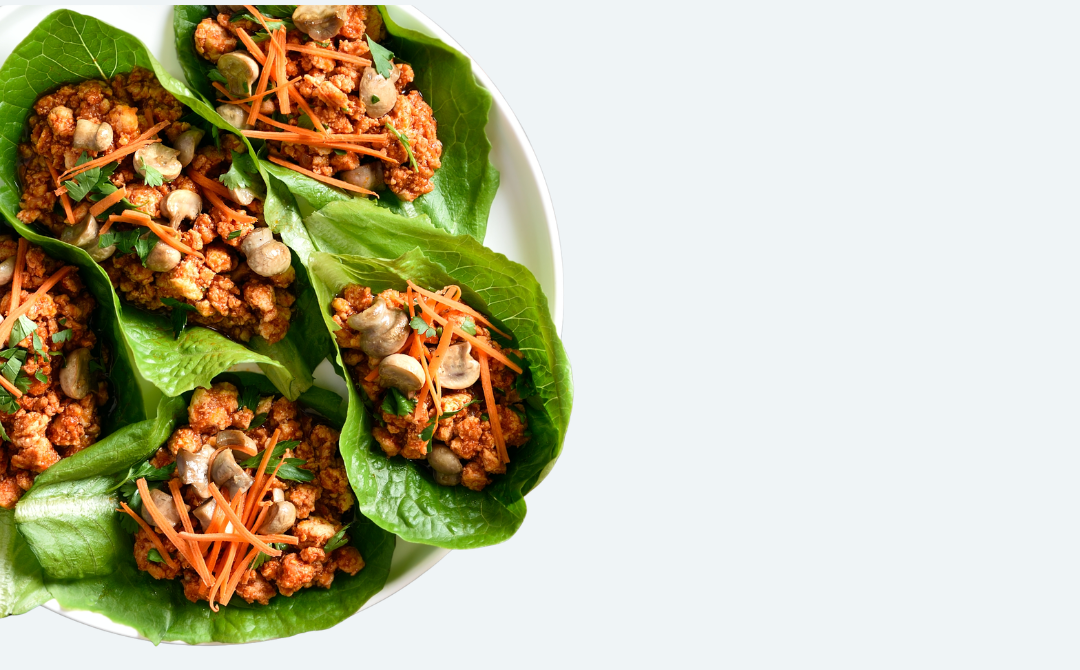
What the EU plant-based naming ban actually means for your label
The European Union just passed a ban on certain meat-related terms for plant-based products.
No more plant-based steak. No more vegan bacon. Words like beef, chicken, pork and steak are now off the table for products that contain no meat.
But here’s where it gets interesting: burger, sausage and nuggets are exempt.
So a plant-based burger is fine. A plant-based steak is not. A veggie sausage gets through. Vegan bacon does not.
The reasoning from regulators is consumer protection. The argument is that certain meat-related terms could mislead consumers about what a product actually contains.
Plant-based brands have pushed back on this for years. Their position: these terms describe how a product is used or cooked, not what’s in it. Calling something a steak communicates format and occasion. It doesn’t claim the product came from an animal.
Both arguments have merit. And that’s exactly what makes this kind of debate so difficult to resolve, and why it keeps happening.
This isn’t just a European problem
Naming and descriptor debates are playing out in regulatory systems around the world. Dairy terms. Meat terms. Health-adjacent descriptors. Every market is grappling with where to draw the line between helpful consumer communication and misleading representation.
Australia is not immune. The Food Standards Code has its own requirements around how products are named, described and represented on the label. And while we don’t have an equivalent ban in place right now, the EU decision is a reminder that the language you use on packaging is not neutral. It has regulatory weight.
The Food Standards Code requires that food not be described or presented in a way that is false, misleading or deceptive. That obligation extends beyond health claims. It applies to product names, descriptors, images, and the overall impression a label creates. A name that implies a product is something it isn’t, or contains something it doesn’t, can put a brand in breach of that requirement, even without a single claim in sight.
Why product naming carries more risk than most founders expect
Most food founders spend a lot of time thinking about what claims they want to make. Fewer think carefully about the words they use to name or describe a product, and whether those words could create compliance problems before the claims section even comes into view.
A product name can imply a compositional standard that your product doesn’t meet. A descriptor can trigger a representation that requires substantiation. A cooking or usage cue can cross into territory that attracts regulatory scrutiny. These aren’t hypothetical risks. They come up in label reviews every week.
The distinction the EU drew, between terms like steak and bacon on one hand, and burger and sausage on the other, also illustrates how specific these determinations can be. Two words that feel similar in everyday use can land in completely different regulatory categories. That’s not intuitive. And it’s one of the reasons that relying on common sense to navigate labelling decisions is a risk in itself.
What this means before you go to print
The EU plant-based ban is a high-profile example of a dynamic that plays out quietly on product labels every day. The words you choose to name and describe your product, not just the claims you make about it, can determine whether your label is compliant or not.
Before your product goes to print, it’s worth asking: Does every word on this label do what I think it does? Is the product name accurate and defensible? Do any descriptors imply something about composition, origin or quality that isn’t supported? Is the overall impression the label creates consistent with what the product actually is?
Getting these questions wrong after the packaging is printed is expensive. Getting them wrong after a retailer flags an issue is worse. The time to work through them is before the artwork is locked.
Naming a product sounds simple. Getting it right under the Food Standards Code is a different story. Download our free guide on the six biggest labelling and health claim mistakes food brands make, and what to do instead.
Get the free guide: https://learn.nprconsulting.com.au/labelling-health-claims

Jasmine Solomou
BNutrSc Graduate, Deakin UniversityNPR Consulting