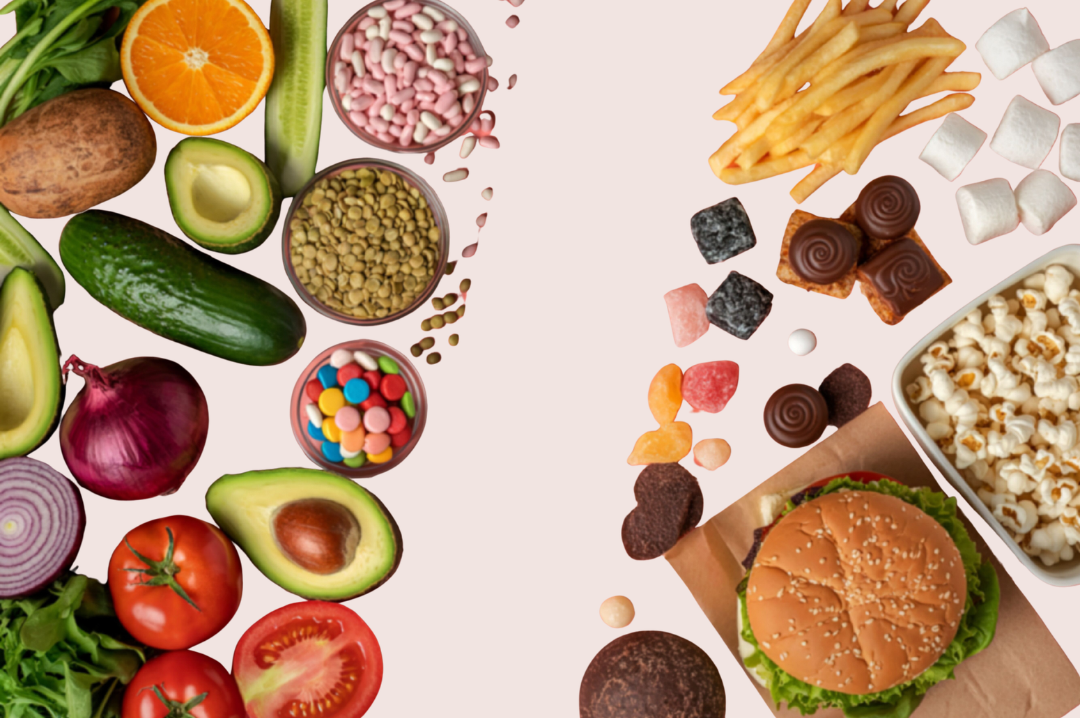
The ultra-processed food debate: What the viral posts are getting right (and what they’re missing)
A reel and commentary about ultra-processed foods has been circulating widely on social media, and it has sparked exactly the kind of conversation the food industry needs to be having – even if the conversation itself is more complicated than most posts acknowledge.
The content making the rounds argued that classifying foods by their level of processing is a meaningful way to assess nutrition quality, and that the food industry is prioritising hyper-palatability and profit over public health.
You can watch the original post here.
Here is my take on it.
The general concept has merit – but the execution has real problems
Thinking about food along a spectrum from minimally processed to heavily processed is not a bad starting point. It can be a useful lens for thinking about dietary patterns at a population level, and it draws attention to a genuine issue: that some manufactured products bear very little resemblance to the foods they were derived from.
But when you look closely at how the NOVA classification system – the framework most commonly used to define ultra-processed foods – actually works, some of the logic starts to unravel.
Under NOVA, the four categories are: unprocessed or minimally processed foods, processed culinary ingredients, processed foods, and ultra-processed foods. Here is where it gets interesting. Processed culinary ingredients – things like plain sugar, salt, butter, and refined oils – sit in Group 2, classified as less processed than Group 3 foods such as canned vegetables, cheese, and bread.
So plain table salt is categorised as less processed than a tin of tomatoes. Refined sugar sits in a lower group than whole-grain bread.
This is where the system starts to lose nuance. A classification framework designed to help people make better food choices arguably should not place nutrient-providing foods in a higher-risk category than isolated culinary ingredients with no nutritional benefit.
Researchers have also noted that the definitions within NOVA have shifted considerably over time. A review published in the journal Public Health Nutrition found that the examples of foods falling under the ultra-processed category have changed meaningfully since the system was first developed, which raises legitimate questions about consistency and replicability.
The evidence is more heterogeneous than the headlines suggest
It would be inaccurate to say the research on ultra-processed foods shows no cause for concern. There are genuine associations worth taking seriously. A large 2024 umbrella review found associations between higher ultra-processed food consumption and increased risk of cardiovascular disease, type 2 diabetes, and anxiety disorders.
But the picture becomes considerably more complicated when you look beyond total UPF intake and examine individual food categories.
A major study drawing on data from over 200,000 participants found that while overall UPF consumption was associated with higher cardiovascular risk, specific subtypes told a very different story. Sugar-sweetened beverages and processed meats were consistently associated with adverse outcomes. Bread, cold cereals, yoghurt, and certain dairy desserts, on the other hand, were associated with reduced risk.
Similarly, research published in The Lancet found that ultra-processed bread and cereals were actually inversely associated with cancer and cardiometabolic diseases in European populations.
This is an important distinction. Lumping together sugar-sweetened soft drinks and fortified wholegrain cereals into the same risk category, and advising people to avoid both equally, is not an evidence-based public health position. It is an oversimplification that may cause more harm than good, particularly for people who rely on affordable, accessible, processed foods as a significant part of their diet.
Functional inconsistency within the system has also been flagged in the peer-reviewed literature. One study found that when food and nutrition specialists were asked to assign foods to NOVA groups, agreement levels were low, suggesting that even trained professionals cannot apply the framework consistently.
The question of industry consultation matters – but not for the reasons you might think
The NOVA system was developed without food industry consultation, and when attempts were made to establish a working group for industry to provide feedback on the definitions, there was significant resistance.
This deserves some reflection.
If a classification framework is robust and evidence-based, it should be able to withstand scrutiny. Open discussion, including from industry, should strengthen the framework, not threaten it. Science that is confident in its foundations welcomes challenge, because challenge is how errors get identified and corrected.
The instinct to keep industry entirely out of the conversation is understandable, given the documented history of commercial interests shaping nutrition research and policy in ways that have not always served public health. That concern is legitimate and worth holding.
But broad exclusion is not the same as rigorous independence. Constructive engagement, with appropriate transparency about conflicts of interest, is how classification systems get refined and made more useful.
There is also a further complexity worth naming directly. Some of the most vocal critics of industry involvement in nutrition science are health professionals who work with food companies themselves, including in research, product development, and communications roles. This does not automatically disqualify their scientific contributions. But it does suggest that the line between acceptable and unacceptable industry engagement is less clear-cut than social media tends to make it seem.
What this means for food businesses
For food companies navigating the ultra-processed food conversation, the challenge is not simply reputational. It is scientific and regulatory.
The NOVA system is increasingly being referenced in public health discussions globally, and the WHO has been noted to be working on a new operational definition of ultra-processed foods. In Australia, the Health Star Rating system and NOVA have been compared across tens of thousands of products, and the two frameworks do not always align.
That misalignment matters. If regulatory policy starts to move in the direction of processing-based classification, even partially, food brands need to understand where their products sit, what the evidence actually says about those categories, and how to communicate that evidence clearly and compliantly.
Being reactive in this space is risky. Understanding the scientific landscape now, before classification systems influence labelling or claims frameworks, gives brands the opportunity to position themselves on defensible ground.
The bottom line
The ultra-processed food conversation is worth having. The concern that some manufactured food products are designed primarily for palatability and shelf stability rather than nutritional quality is not unfounded.
But conflating a useful observation with an infallible classification framework does not serve science, and it does not serve the public.
The evidence on ultra-processed foods is heterogeneous. The definitions are contested. And the question of who gets to participate in shaping these frameworks is more nuanced than social media tends to acknowledge.
Good nutrition science means sitting with that complexity rather than flattening it.
The ultra-processed food debate is a reminder that nutrition science is rarely as simple as social media makes it sound – and that the gap between evidence and communication is where brands get into trouble. If you want to understand how to navigate nutrition claims, labelling, and evidence strategy in a way that’s defensible and commercially sound, join the Labelled & Legit waitlist here.


Jasmine Solomou
BNutrSc Graduate, Deakin UniversityNPR Consulting