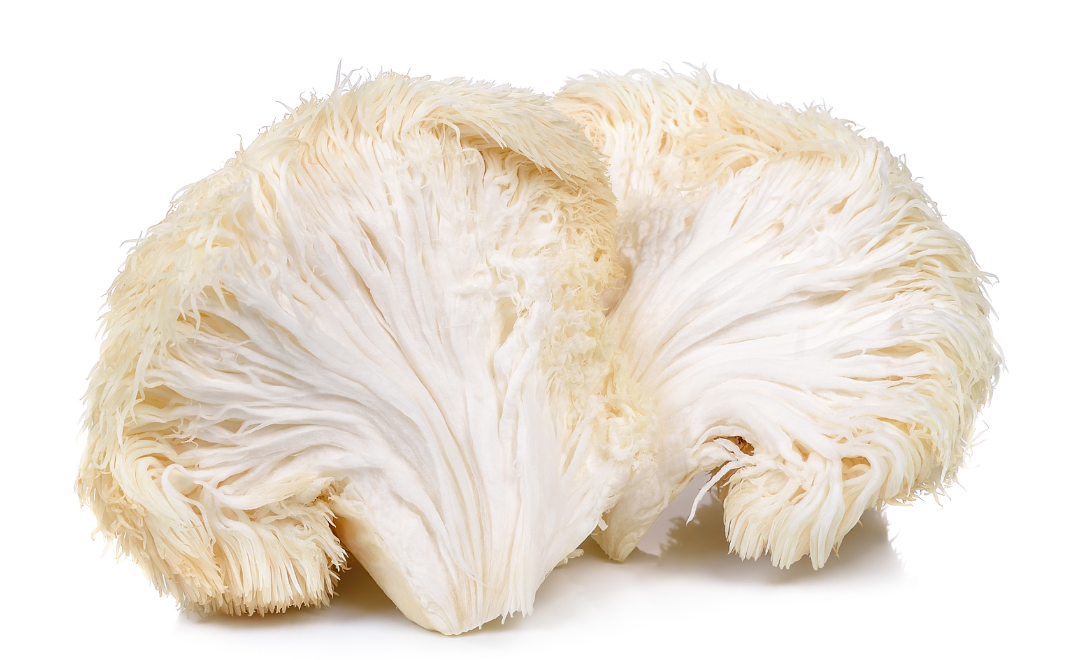
Lion’s Mane is everywhere. So why isn’t it legal as food in Australia?
Walk into almost any Australian health food store, and you’ll find lion’s mane staring back at you, in mushroom coffees, focus powders, and “brain” gummies, usually wrapped in language about memory and clarity. The marketing is everywhere. The legal basis for selling it as food is not.
Most brands carrying it have no idea they’re non-compliant. That’s the part worth slowing down on.
Lion’s Mane is a novel food, and that’s a regulatory problem
Under Standard 1.5.1 of the Australia New Zealand Food Standards Code, a novel food is a non-traditional food without a history of significant consumption in Australia and New Zealand, one that needs an FSANZ safety assessment before it can be sold.
Lion’s mane (Hericium erinaceus) sits in exactly that category. A novel food is prohibited in food unless it is expressly permitted in Schedule 25 of the Code, and lion’s mane is not listed there. It has not been approved by FSANZ for use as a food or food ingredient.
That isn’t a grey area or a “pending” status. As things stand, it cannot legally be sold as food or used as a food ingredient in Australia. A whole-mushroom product with a genuine tradition of culinary use is a different conversation, but the extracts, powders, and isolates showing up in functional products are the ones that fall squarely inside the novel food net.
Uncle Frog’s is the case study nobody wants to be
In February 2025, FSANZ issued a recall for Oz Brands’ Uncle Frog’s Mushroom Gummies, both the Lion’s Mane and the Cordyceps versions. The stated reason was the presence of unapproved novel food ingredients.
The recall followed reports of people being hospitalised after eating the products. Consumers were told to dispose of them and seek a refund. Shortly after, the company’s website went dark, leaving little more than an email address for reimbursement.
It’s a tidy, brutal illustration of how this plays out. The ingredient was the trigger. The recall, the reputational damage, and the wind-down all followed from a compliance decision that was made — or never properly examined, long before the product hit a shelf.
There is a legal pathway. It just isn’t the food aisle.
This is the nuance that gets lost in the panic: lion’s mane is not banned in Australia. It can be supplied lawfully as a therapeutic good.
Mushroom species with a tradition of medicinal use are regulated by the TGA, not as food. A lion’s mane product can be included on the Australian Register of Therapeutic Goods — typically as a listed medicine (AUST L), provided it meets the conditions of that pathway. What it cannot do is sit in the food category and borrow the convenience of being “just a supplement.”
The practical takeaway is uncomfortable but simple. If you’re selling lion’s mane as food, you’re already in the wrong regulatory lane. The fix isn’t a better label. It’s the right framework.
What this actually means for your brand
If lion’s mane is in your formulation and you’re treating the product as food, the exposure is real and layered.
You’re carrying recall risk, the most expensive outcome on the list. You’re carrying retail rejection risk because major retailers screen for unapproved novel ingredients and won’t shelve a product that fails. And you’re carrying the cost of being caught mid-print run, where a single ingredient decision can write off thousands of dollars of packaging.
None of that depends on intent. Regulators and retailers don’t assess whether you meant to be compliant. They assess whether the product is. “We didn’t know it was a novel food” is not a defence, and it’s a remarkably common position for brands in this space to be standing in without realising it.
The bottom line
Lion’s mane is having a moment, and the regulatory framework hasn’t moved to accommodate the hype. It is a novel food, it is not permitted as food in Australia, and the brands selling it that way are exposed, whether they know it or not.
The good news is that this is a knowable problem with a defined answer. You can check whether your ingredients are permitted before you formulate, before you print, and well before a regulator does it for you.
Lion’s mane is just one ingredient. The bigger issue is that most labelling and health claim problems don’t surface at launch; they’re locked in much earlier, in formulation choices, marketing language, and packaging design, long before anyone notices. We’ve put together a free guide breaking down the six biggest mistakes food brands make with labelling and health claims, and how to catch them before they become expensive problems. Download the free guide here: https://learn.nprconsulting.com.au/labelling-health-claims


Jasmine Solomou
BNutrSc Graduate, Deakin UniversityNPR Consulting