Why “sleep” is about to become a regulator’s favourite word
Sleep is quietly becoming one of the most contested spaces in food marketing.
Consumers are more fixated on sleep quality than they’ve ever been, linking it to stress, mood, recovery, weight, and even how they age, and food brands are racing to meet them there. Mintel data referenced in BeverageDaily puts the global sleep-focused food and drink market at $9.4 billion in 2025, growing to $16.7 billion by 2033 at a CAGR of 8.6%. That’s a category nearly doubling inside a decade, and almost every functional brand is angling for a slice.
The product wave is already here. Bedtime teas. Magnesium-loaded sachets and shots. Tryptophan milks. Late-night biscuits, bars and bites built around chamomile, valerian, lavender, and lemon balm. Every one of them is telling some version of the same story: take this, sleep better.
The brands winning aren’t selling sleep
Here’s what’s interesting. The products getting traction in this space aren’t the ones promising to fix anyone’s sleep.
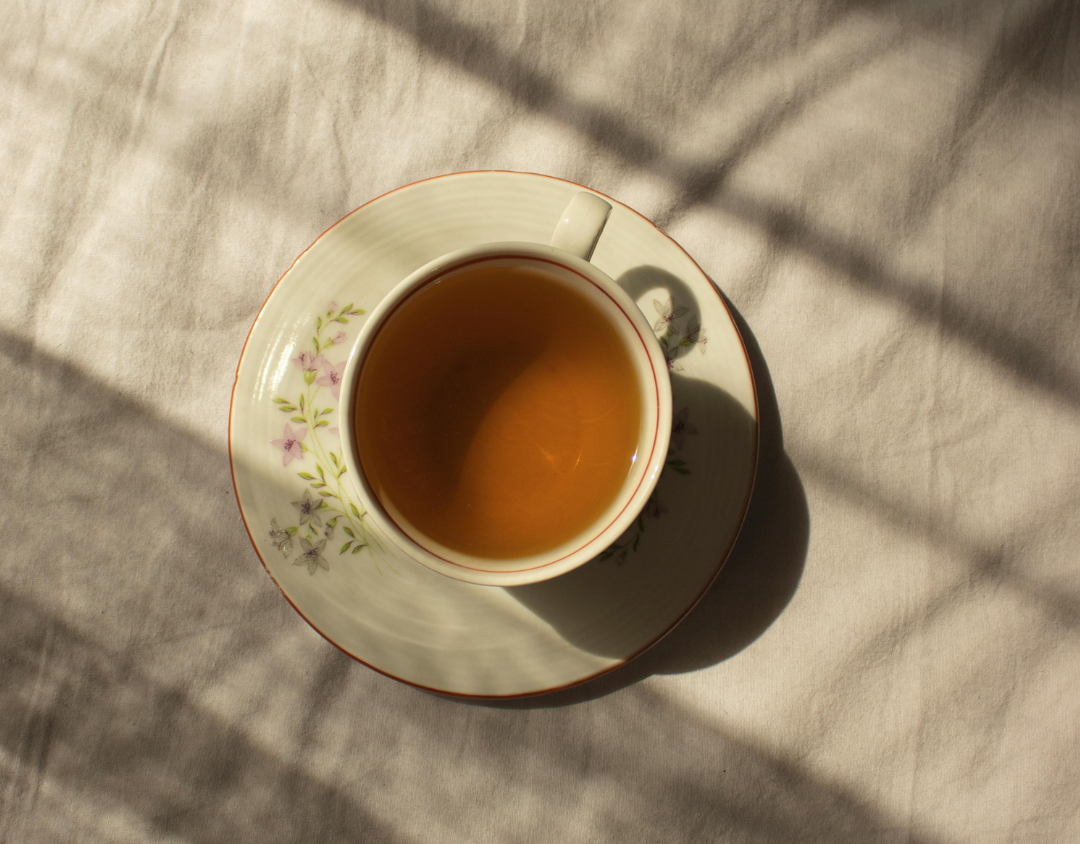
The smarter play, according to category analysts, is to position around the evening rather than the outcome. A drink that signals the end of the day. A snack that becomes part of a bedtime habit. A tea that fits into the hour before bed without claiming to do anything pharmacological. That kind of positioning meets consumers where they actually are; most people aren’t looking for a treatment, they’re looking for a small ritual, and it gives brands a far more durable place to operate.
It also happens to be a far safer place to operate from a regulatory standpoint. Whether that’s by accident or by design, the brands leaning into “ritual” instead of “remedy” are sidestepping a lot of risk.
The minute you talk benefits, the rules change
Because here’s the part that catches founders out. The moment a food product starts speaking the language of sleep, stress, mood, focus, or cognitive performance, the rules around what can appear on the pack, on the website, in the ads, and in the founder’s own social posts change completely.
Under the Food Standards Code in Australia and New Zealand, a claim that links a food to a health outcome isn’t a marketing decision. It’s a legal one. Some claims aren’t permitted on food at all and sit under the TGA. Others are permitted but require pre-approval, supporting evidence, and a product that meets the Nutrient Profiling Scoring Criterion. The difference between a compliant general level health claim and an unlawful therapeutic claim can come down to a single verb.
Most founders don’t realise they’ve crossed that line until someone external points it out.
It’s rarely one big claim that gets brands in trouble
In my experience, the brands that get pulled up in this category don’t get caught making one obvious, illegal claim. They get caught accumulating small ones.
A product name that hints at rest. A moon on the front of pack. A back-of-pack paragraph about how magnesium “supports the nervous system.” A reel where the founder talks about taking the product before bed. A hashtag like #sleepsupport on every post. None of those things, on their own, would necessarily fail an audit. Together, the overall impression on a consumer is unmistakably therapeutic, and under both the Food Standards Code and Australian Consumer Law, the overall impression is exactly what’s assessed.
That’s the trap. It’s not built out of one bad decision. It’s built out of ten reasonable-looking ones.
Compliance has to come before creative
If you’re developing a product in the sleep, stress, mood or relaxation space, the sequence matters more than anything. Work out what you’re legally permitted to say about your product first. Then let the brand, the pack and the campaign get built around that.
The brands that scale in this category are the ones that treat compliance as the brief, not the cleanup. The ones that don’t end up rewriting their entire pack twelve months in, or worse, fielding a letter from the ACCC.
If you’d like a starting point, my free Food Label Compliance Checklist runs through the six mistakes I see most often on wellness products before they go to print. It’s a quick way to sense-check whether your packaging is actually saying what you think it’s saying. You can find it here https://nprconsulting.com.au/labelledandlegit/


Jasmine Solomou
BNutrSc Graduate, Deakin UniversityNPR Consulting