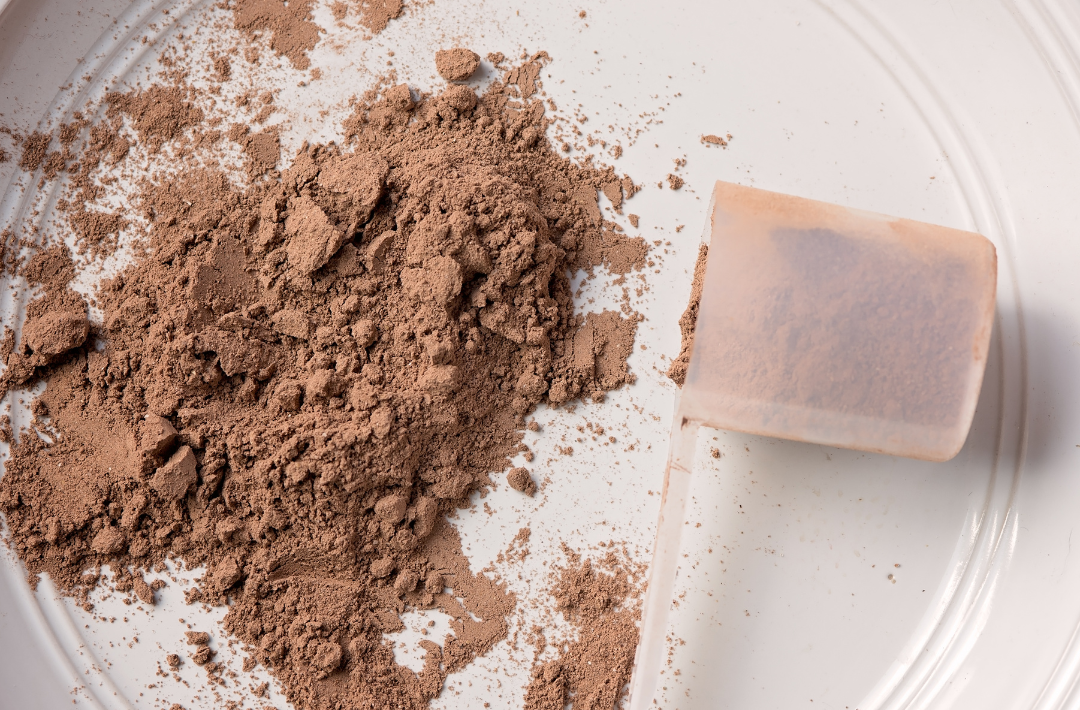
Complete nutrition is booming, but call it a “meal replacement” and the Code takes over
Three of the biggest names in dairy made the same move inside four months. Danone bought Huel. Lactalis bought Protein Works. Nestlé took full ownership of Yfood. Three separate boardrooms, three separate cheques, one shared conviction about where food is heading.
Poppi’s $8.9 million gut health settlement: the lesson for functional beverage brands
Poppi, the prebiotic soda that built a cult following on the promise of a healthier gut, has agreed to pay US$8.9 million to settle a class action over those exact claims. The brand denied any wrongdoing. The number still stands.

The squashed apple that cost Uncle Tobys its favourite claim
“Made with real fruit.” It’s one of the most reassuring phrases a parent can read on a lunchbox snack, and it still runs across shelves of fruit straps, bars and pouches today. It also sits behind one of the most instructive marketing cases in Australian food regulation.

Lion’s Mane is everywhere. So why isn’t it legal as food in Australia?
Walk into almost any Australian health food store, and you’ll find lion’s mane staring back at you, in mushroom coffees, focus powders, and “brain” gummies, usually wrapped in language about memory and clarity. The marketing is everywhere. The legal basis for selling it as food is not.

Weight-loss drugs and chocolate: what the sales data actually shows
The prediction was simple. GLP-1 drugs would suppress appetite, people would stop reaching for sweets, and the chocolate industry would quietly bleed out. Analysts modelled it. Confectionery was meant to be one of the first casualties of the Ozempic era.

Mushroom supplements: are you selling a food, or a therapeutic good?
If you’re selling a mushroom supplement in Australia, this is the post you didn’t know you needed to read.
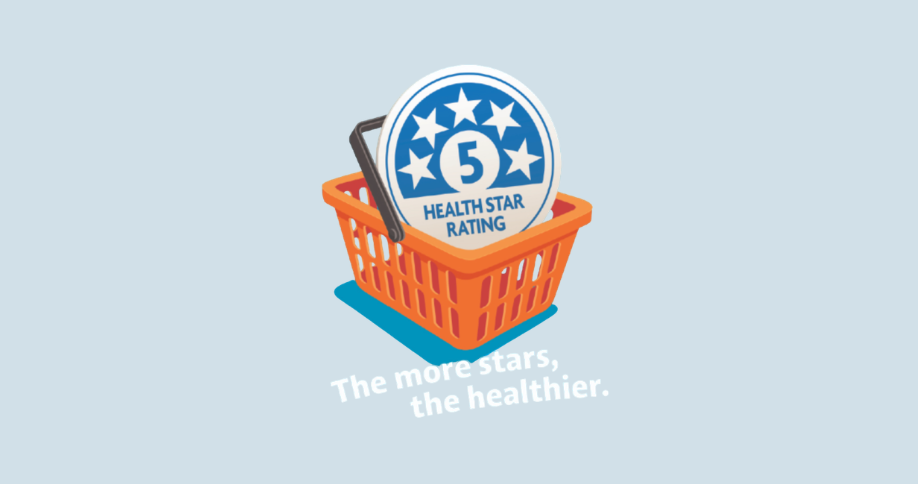
FSANZ is asking: should Health Star Ratings be mandatory?
For more than a decade, the Health Star Rating system has been a voluntary front-of-pack nutrition labelling tool in Australia and New Zealand. Brands could choose to display the rating, calculate it themselves, and decide which of their products carried it. That voluntary era may be ending.

When chocolate bars become protein bars: the compliance risk hiding in the new snacking category
The line between confectionery and sports nutrition is disappearing, and it is happening at a pace that should have every food brand paying attention, not just to the commercial opportunity, but to the regulatory exposure that comes with it.
Why “sleep” is about to become a regulator’s favourite word
Sleep is quietly becoming one of the most contested spaces in food marketing.
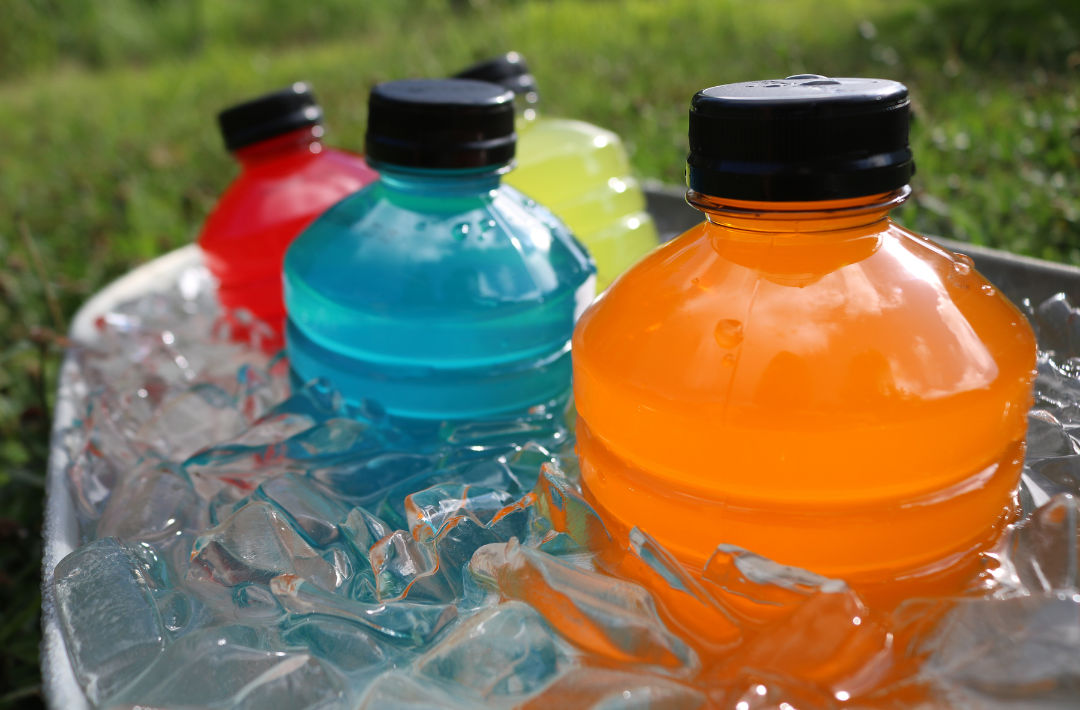
The global colour shift: what the US crackdown on synthetic dyes means for Australian food brands
A significant change is underway in the global food industry, and it’s centred on something most consumers never think twice about: the colour of their food.