
What 22,000 brands reveal about how small food brands actually grow
New data from Kantar suggests small brands grow faster through depth of connection than breadth of reach. Here’s what that means for founders deciding where to spend.
The sugar terminology debate: your regulator has already answered it
There’s an opinion piece moving through nutrition science right now, and it’s worth talking about.
Caffeine rules in Australia: what FSANZ has just changed
Caffeine has never been freely addable to food in this country. The Code’s general prohibitions already stop you from using it as a food additive or a nutritive substance, and permitted flavouring substances are permitted at GMP, with caffeine expressly carved out. The only meaningful permissions sit with cola-type drinks and formulated caffeinated beverages.

Brisbane 2032 is committing 30% of its spend to small businesses. Compliance decides who gets it.
Queensland’s procurement policy sets a whole-of-government target of sourcing 30% of procurement spend by value from Queensland small and medium enterprises. It took effect at the start of 2026, it applies across the state’s annual spend, and it is a figure agencies are measured against rather than a vague nod to backing local business.
Brand trust when money’s tight: consistency only works if your claims stack up
Right now, shoppers are switching supermarkets based on whoever’s cheapest that week. Consumer confidence is down, the cost of living is biting, and people are dropping brands they’ve bought for years the moment a competitor looks like better value.

Flavour trends for 2026: what the Food Standards Code will actually let you use
A new report has mapped out where flavour innovation is heading, and it reads like a list of commercial opportunities. Comfort. Discovery. Authenticity. Sensory experience. All of it live, all of it fundable, all of it landing in product briefs right now.

Hojicha is coming for matcha’s crown. Here’s the labelling risk nobody’s talking about.
For years, matcha has been the flavour everyone wanted a piece of. There’s a new contender quietly coming for its crown, and it’s called hojicha.

Drink label compliance: why the bar just moved for drink brands
The non-alcoholic drinks industry has published a consumer guide to exactly what to check on a drink label. If you sell a drink product, you should know what it says.
Fibre is having its moment: the claims rules brands keep getting wrong
For years, protein got all the attention. Every second product on the shelf was reformulated, repackaged and relaunched around a protein hit.
But there’s a quieter ingredient about to have its moment. Fibre.
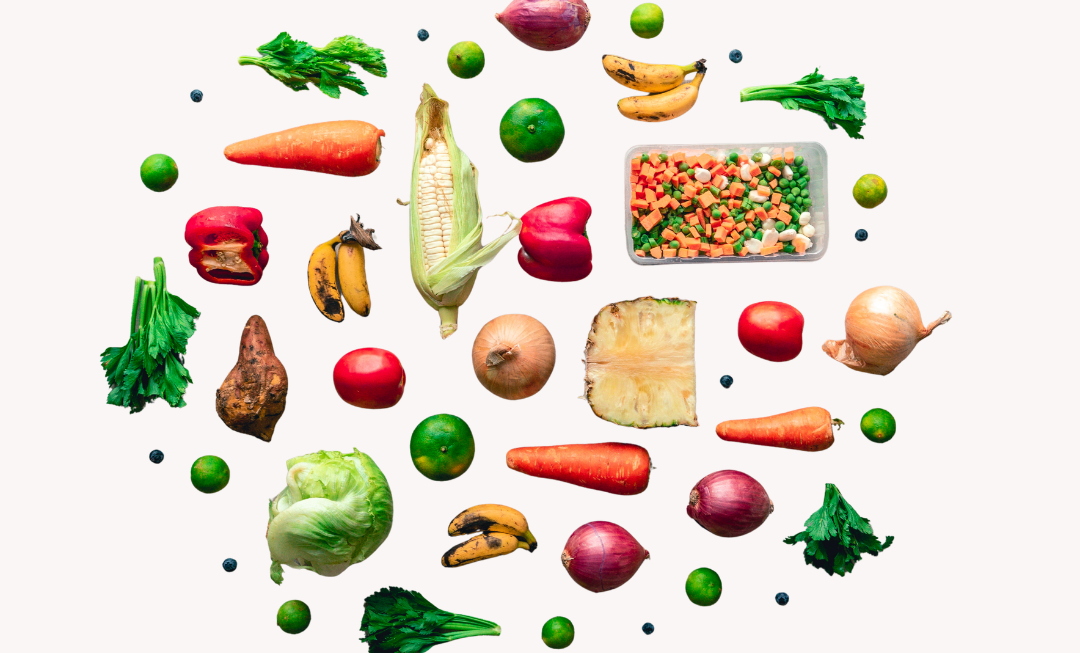
Food innovation trends 2026: Purpose over novelty
We’re over halfway through 2026, so it’s worth asking where food innovation is actually heading. The answer isn’t novelty. The products gaining ground this year aren’t the loudest or the newest – they’re the ones built around purpose.
Complete nutrition is booming, but call it a “meal replacement” and the Code takes over
Three of the biggest names in dairy made the same move inside four months. Danone bought Huel. Lactalis bought Protein Works. Nestlé took full ownership of Yfood. Three separate boardrooms, three separate cheques, one shared conviction about where food is heading.
Poppi’s $8.9 million gut health settlement: the lesson for functional beverage brands
Poppi, the prebiotic soda that built a cult following on the promise of a healthier gut, has agreed to pay US$8.9 million to settle a class action over those exact claims. The brand denied any wrongdoing. The number still stands.

The squashed apple that cost Uncle Tobys its favourite claim
“Made with real fruit.” It’s one of the most reassuring phrases a parent can read on a lunchbox snack, and it still runs across shelves of fruit straps, bars and pouches today. It also sits behind one of the most instructive marketing cases in Australian food regulation.

Lion’s Mane is everywhere. So why isn’t it legal as food in Australia?
Walk into almost any Australian health food store, and you’ll find lion’s mane staring back at you, in mushroom coffees, focus powders, and “brain” gummies, usually wrapped in language about memory and clarity. The marketing is everywhere. The legal basis for selling it as food is not.

Weight-loss drugs and chocolate: what the sales data actually shows
The prediction was simple. GLP-1 drugs would suppress appetite, people would stop reaching for sweets, and the chocolate industry would quietly bleed out. Analysts modelled it. Confectionery was meant to be one of the first casualties of the Ozempic era.
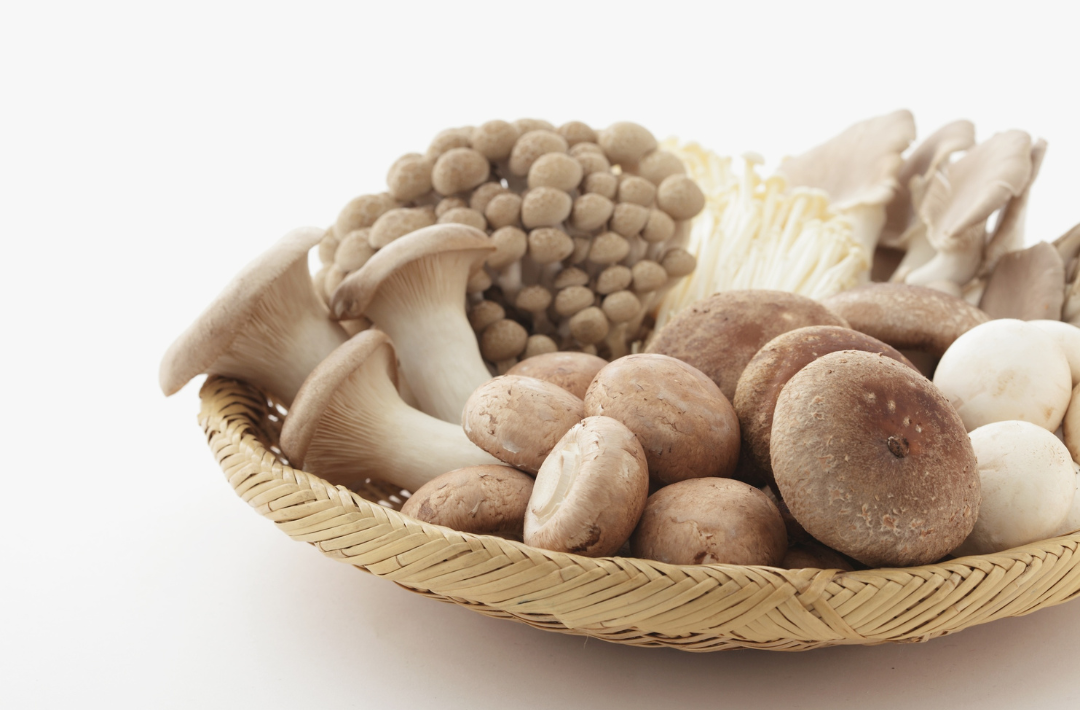
Mushroom supplements: are you selling a food, or a therapeutic good?
If you’re selling a mushroom supplement in Australia, this is the post you didn’t know you needed to read.

Ozempic, weight loss and the nutrition information behind the drug
2SM Radio x Dr Courtney Stewart
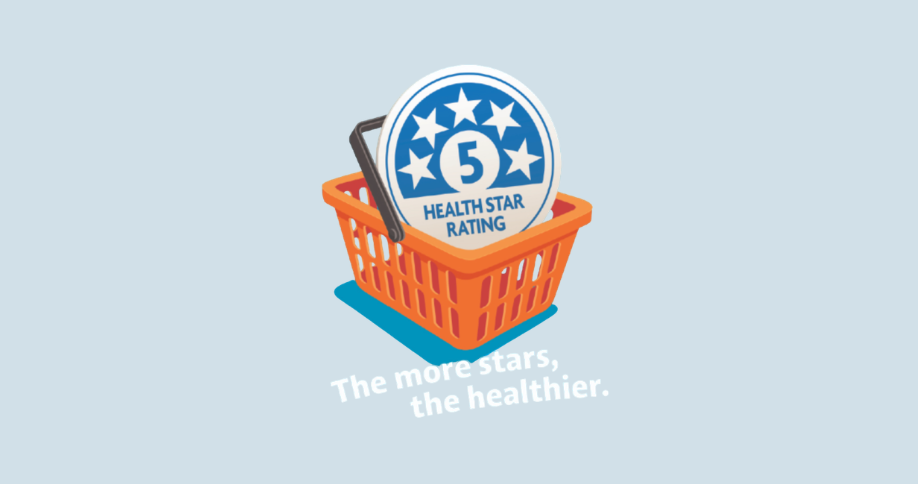
FSANZ is asking: should Health Star Ratings be mandatory?
For more than a decade, the Health Star Rating system has been a voluntary front-of-pack nutrition labelling tool in Australia and New Zealand. Brands could choose to display the rating, calculate it themselves, and decide which of their products carried it. That voluntary era may be ending.

When chocolate bars become protein bars: the compliance risk hiding in the new snacking category
The line between confectionery and sports nutrition is disappearing, and it is happening at a pace that should have every food brand paying attention, not just to the commercial opportunity, but to the regulatory exposure that comes with it.
How much protein do we really need, and where should it come from?
2SM Radio x Dr Courtney Stewart

Why “sleep” is about to become a regulator’s favourite word
Sleep is quietly becoming one of the most contested spaces in food marketing.
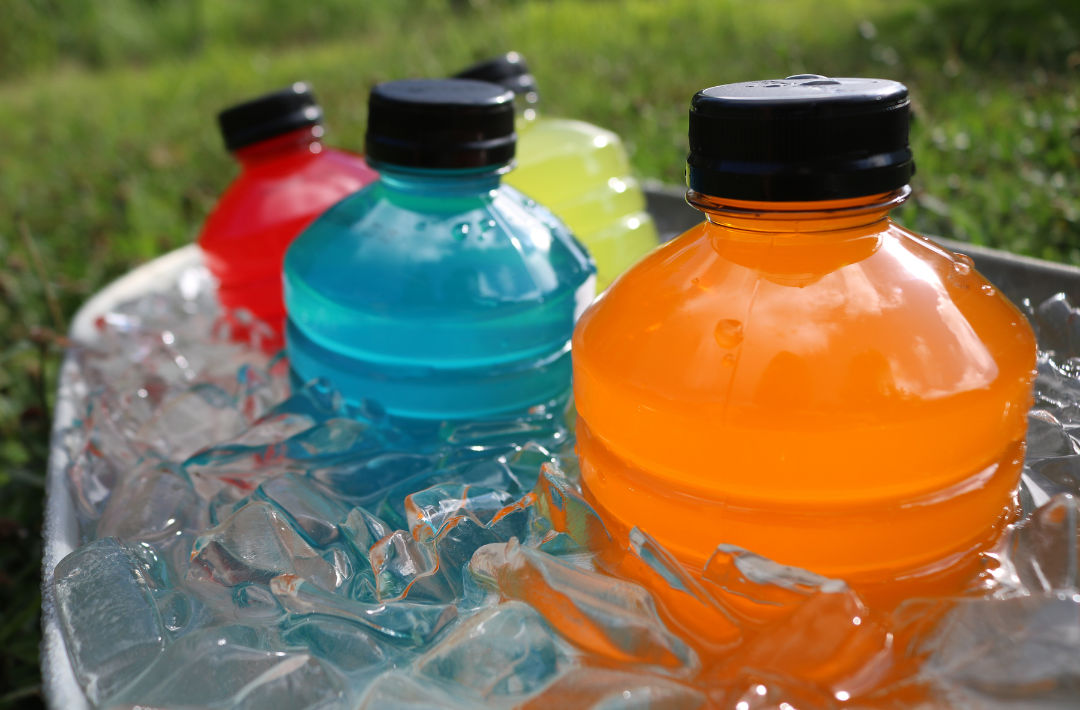
The global colour shift: what the US crackdown on synthetic dyes means for Australian food brands
A significant change is underway in the global food industry, and it’s centred on something most consumers never think twice about: the colour of their food.
Full fat vs low fat milk: what does the latest research really say?
2SM Radio x Dr Courtney Stewart
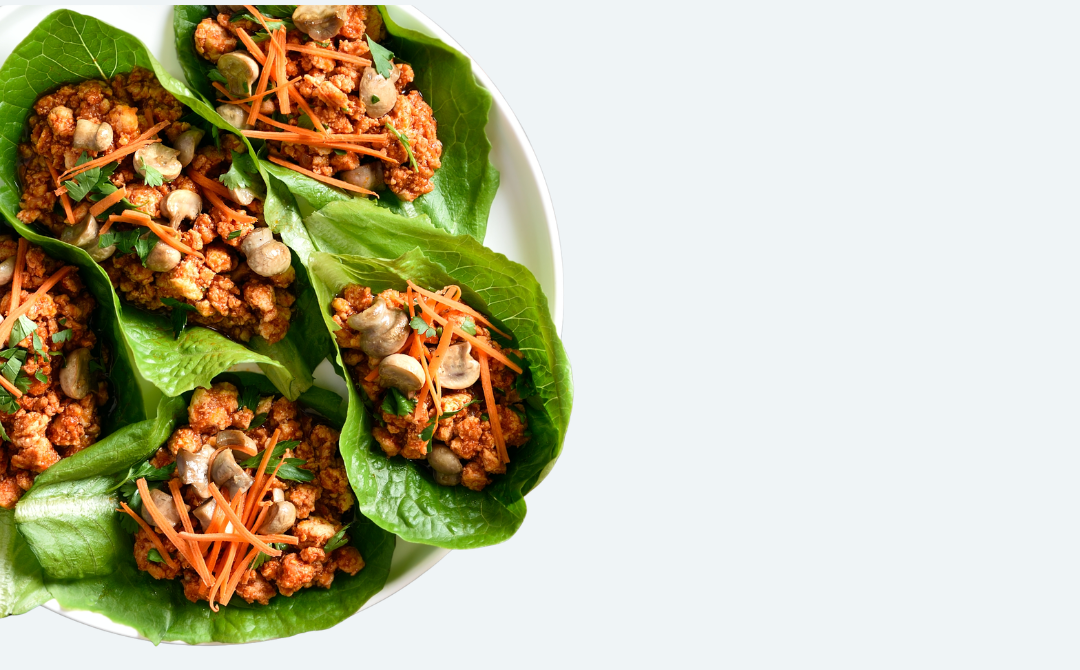
What the EU plant-based naming ban actually means for your label
The European Union just passed a ban on certain meat-related terms for plant-based products.
No more plant-based steak. No more vegan bacon. Words like beef, chicken, pork and steak are now off the table for products that contain no meat.
But here’s where it gets interesting: burger, sausage and nuggets are exempt.
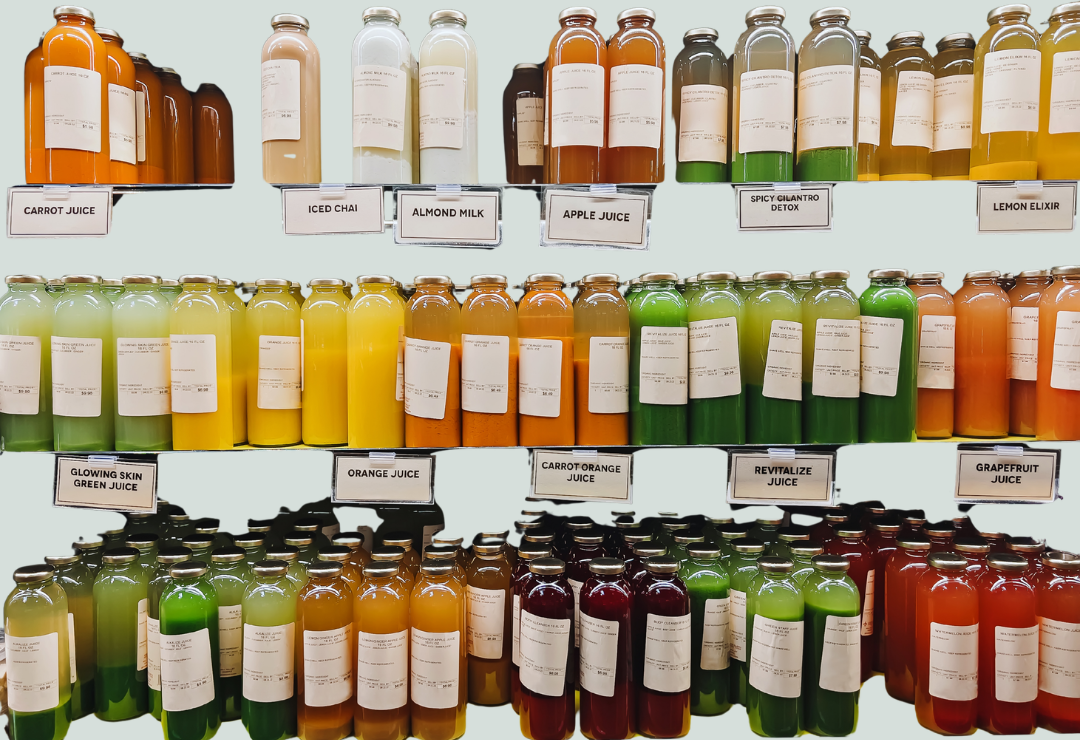
Nestlé is betting on healthy ageing, and every food brand should be paying attention
A product launch from one of the world’s largest food companies rarely goes unnoticed, but Nestlé’s new Vital range is worth more than a passing glance, particularly if you are building or managing a food brand with any kind of functional positioning.

Australian farmers call for country of origin labelling review amid cheap import concerns
ABC News x Dr Courtney Stewart
Why aren’t more Australians eating a Mediterranean diet?
2SM Radio x Dr Courtney Stewart
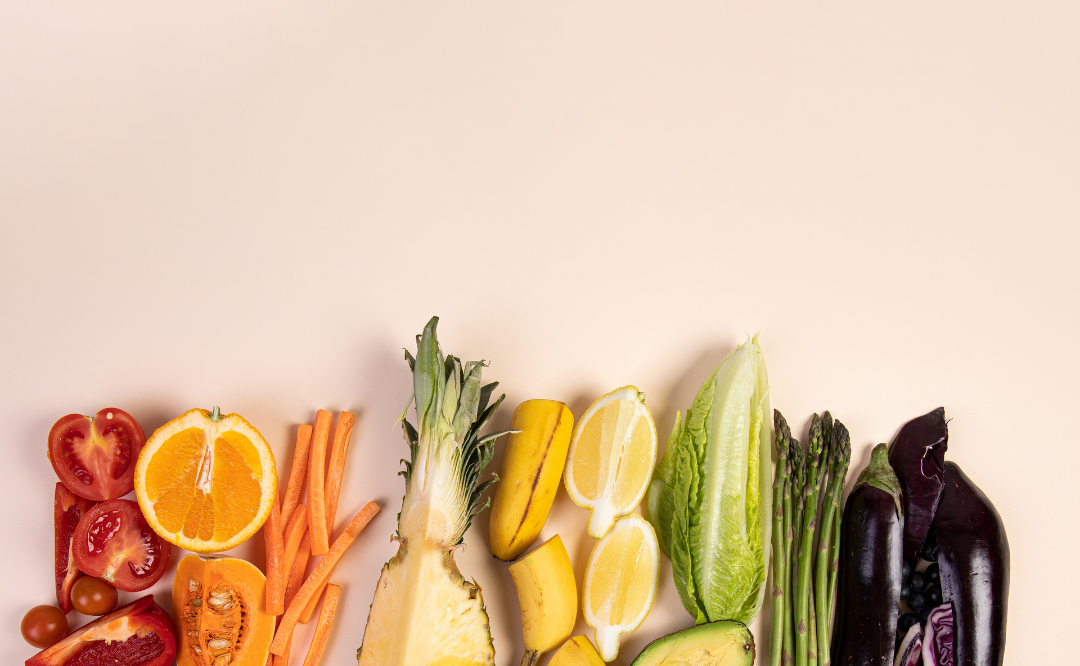
PepsiCo’s health pivot is a wake-up call for every brand adding claims
One of the world’s largest snack companies just announced a significant shift in its product strategy and the implications reach well beyond PepsiCo’s own portfolio.
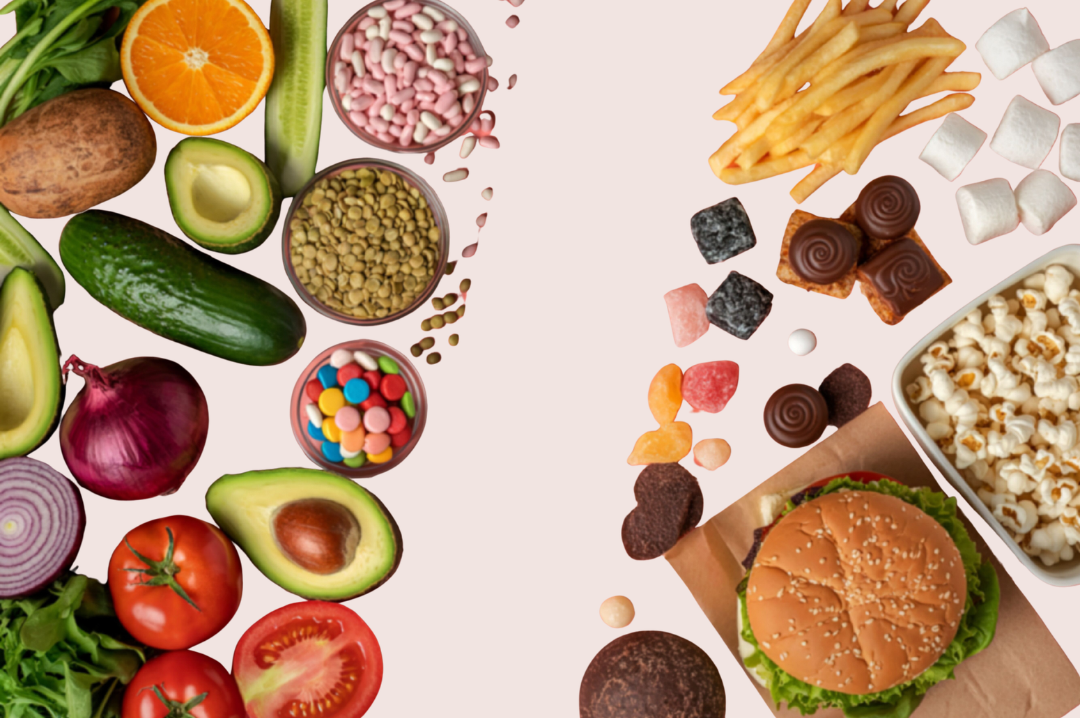
The ultra-processed food debate: What the viral posts are getting right (and what they’re missing)
A reel and commentary about ultra-processed foods has been circulating widely on social media, and it has sparked exactly the kind of conversation the food industry needs to be having – even if the conversation itself is more complicated than most posts acknowledge.
Unapproved ingredients: the fastest way to trigger compliance issues
Most food brands assume compliance risk sits in the label.
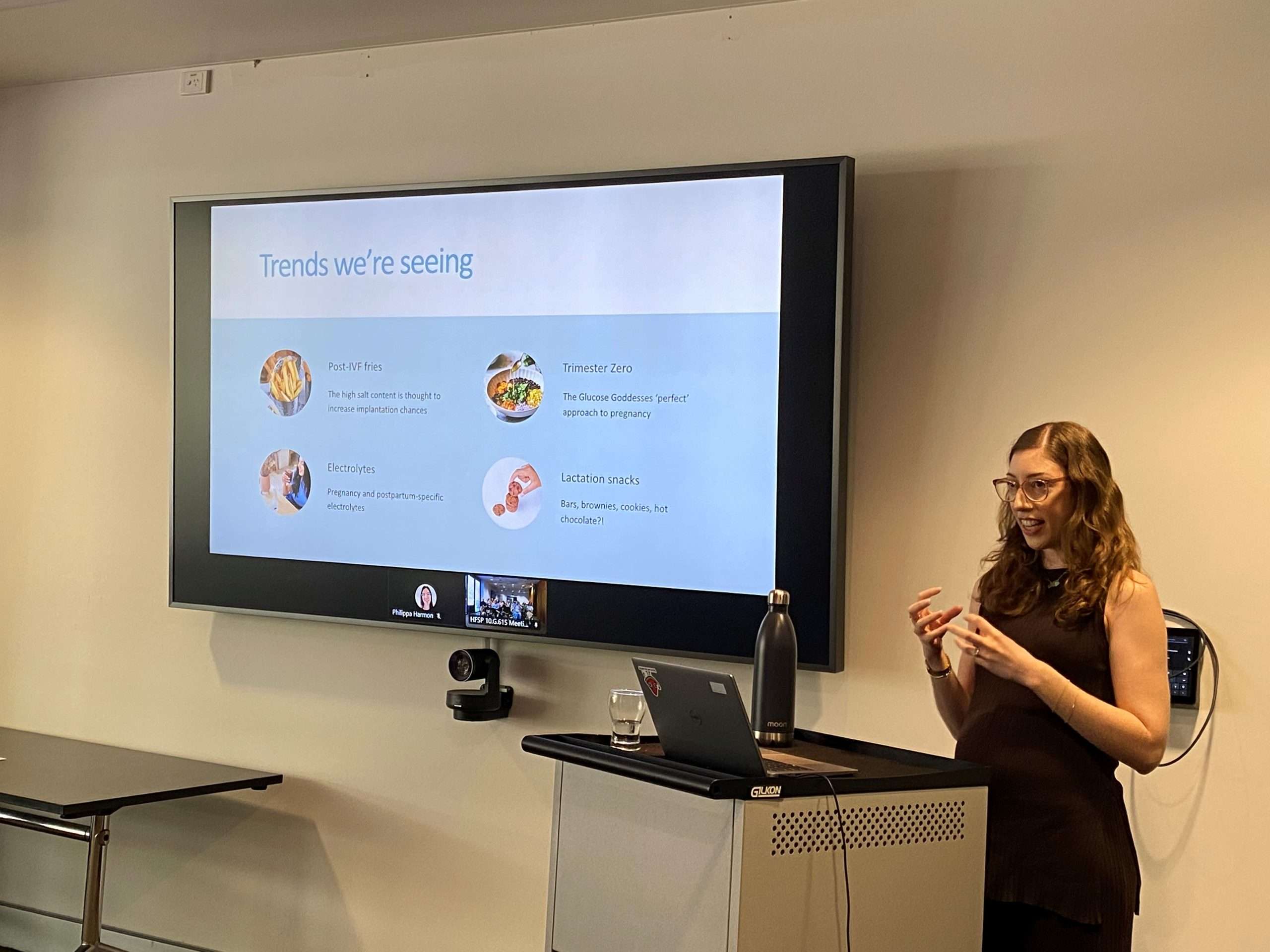
Nutrition across the lifecycle in a changing food landscape
AIFST x Dr Courtney Stewart
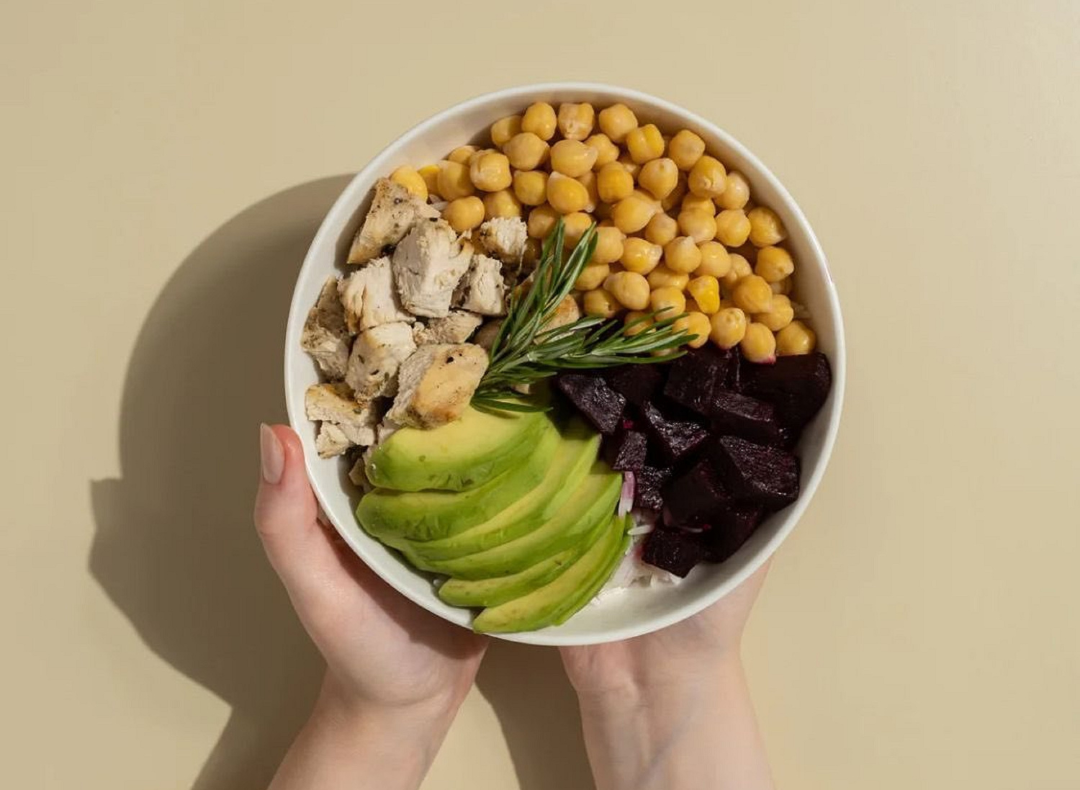
What to do when nutrition studies don’t agree
Nutrition research does not always produce neat, consistent answers.

The health halo problem: when ‘healthy’ claims undermine consumer trust
Across supermarket shelves, the language of health has become almost impossible to avoid.
Dairy farmers want plant-based drinks to stop using the word ‘milk’. But does it really confuse consumers?
ABC News x Dr Courtney Stewart
Bioavailability explained: why ingredient dose alone is a misleading metric
When it comes to functional foods, one number tends to dominate: how many milligrams per serve?
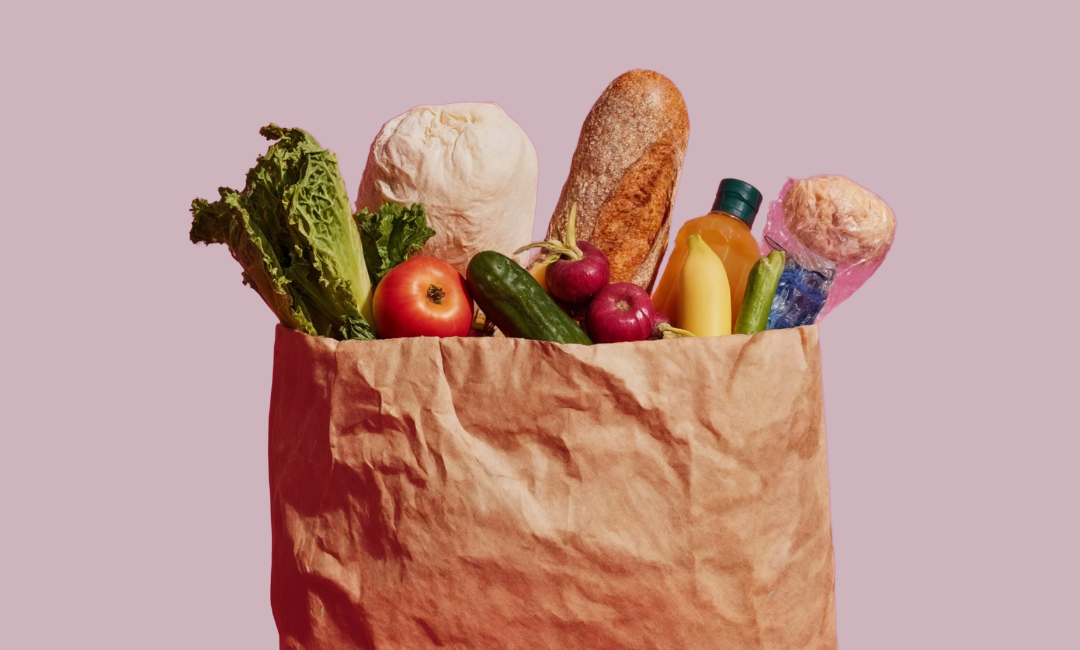
The hidden labelling risks brands miss: images, design & implied claims
When food brands think about compliance, they focus on wording. Is the claim permitted? Does it meet the NPSC? Is the phrasing technically correct?

Oatly ‘milk’ ban in UK sparks fears for Australian plant-based food and drinks
NewsWire x Dr Courtney Stewart
Reformulation myths: Why reducing one nutrient doesn’t make a product healthier
Reformulation is often treated as a silver bullet. Lower the sugar. Cut the fat. Reduce the sodium. Healthier product, right?

How regulators decide whether nutrition evidence is “good enough”
When food brands ask whether they have “enough evidence” to support a nutrition or health claim, the answer is rarely straightforward.
Why ‘high fibre’ rarely means what you think
“High fibre” is one of the most familiar and most misunderstood claims on food packaging.

Gut health explained: what the evidence really supports (and what it doesn’t)
“Gut health” has become one of the most overused and least clearly defined concepts in nutrition and food marketing.

Not all evidence is equal: How regulators actually judge nutrition science
If you’ve ever thought “there’s a study that supports this claim – why isn’t that enough?” you’re not alone.

Why food brands get health claims wrong before they even start
Health and nutrition claims are powerful marketing tools, yet many brands make critical mistakes before products even reach development.
Food waste in residential aged care: A scoping review
Roulston, M., Thompson, C., Pelly, F., Cave, D.

The gut health diet: What to eat for a happier belly
The House of Wellness x Dr Courtney (Thompson) Stewart
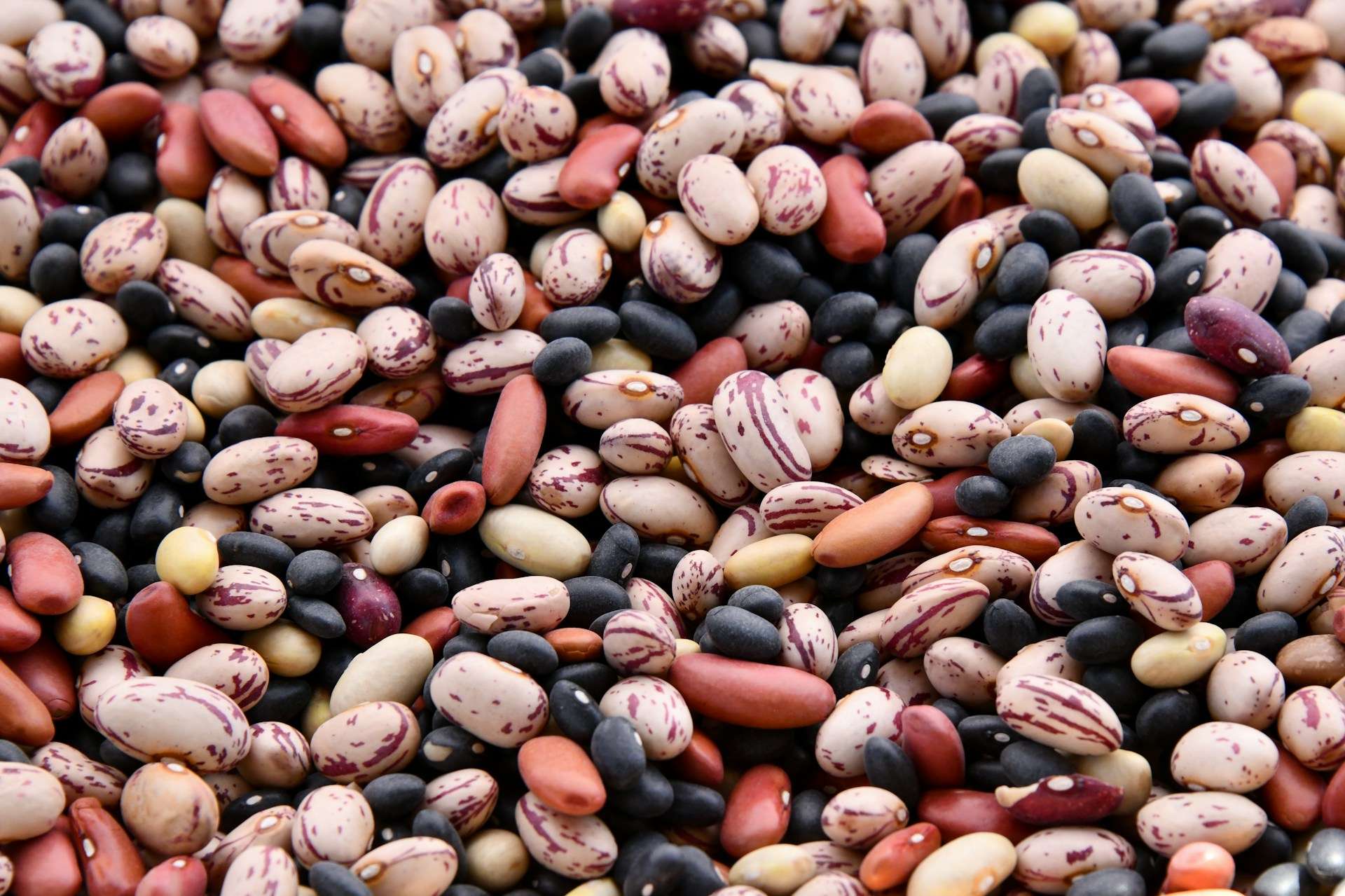
Legumes: Summary of the evidence
Grains & Legumes Nutrition Council (GLNC) x Dr Courtney Stewart
Food shopping is not a leisure activity: Consumer heuristics and their impact on the effectiveness of ecolabels on Australian dairy products
Burstow, A., Witt, BG., Thompson, C.
Is going gluten-free really better for you? We ask nutrition experts
The House of Wellness x Dr Courtney Stewart

Preprofessional identity of nutrition and dietetics students in Australia
Cleary, A., Thompson, C., Villani, A., Swanepoel, L.

What to know (and eat) during the different phases of your menstrual cycle
Onya Magazine x Dr Courtney Stewart

Physical activity and self-determination towards exercise among Esports athletes
Nicholson, M., Thompson, C., Poulus, D., Pavey, T., Robergs, R., Kelly, V., McNulty, C.
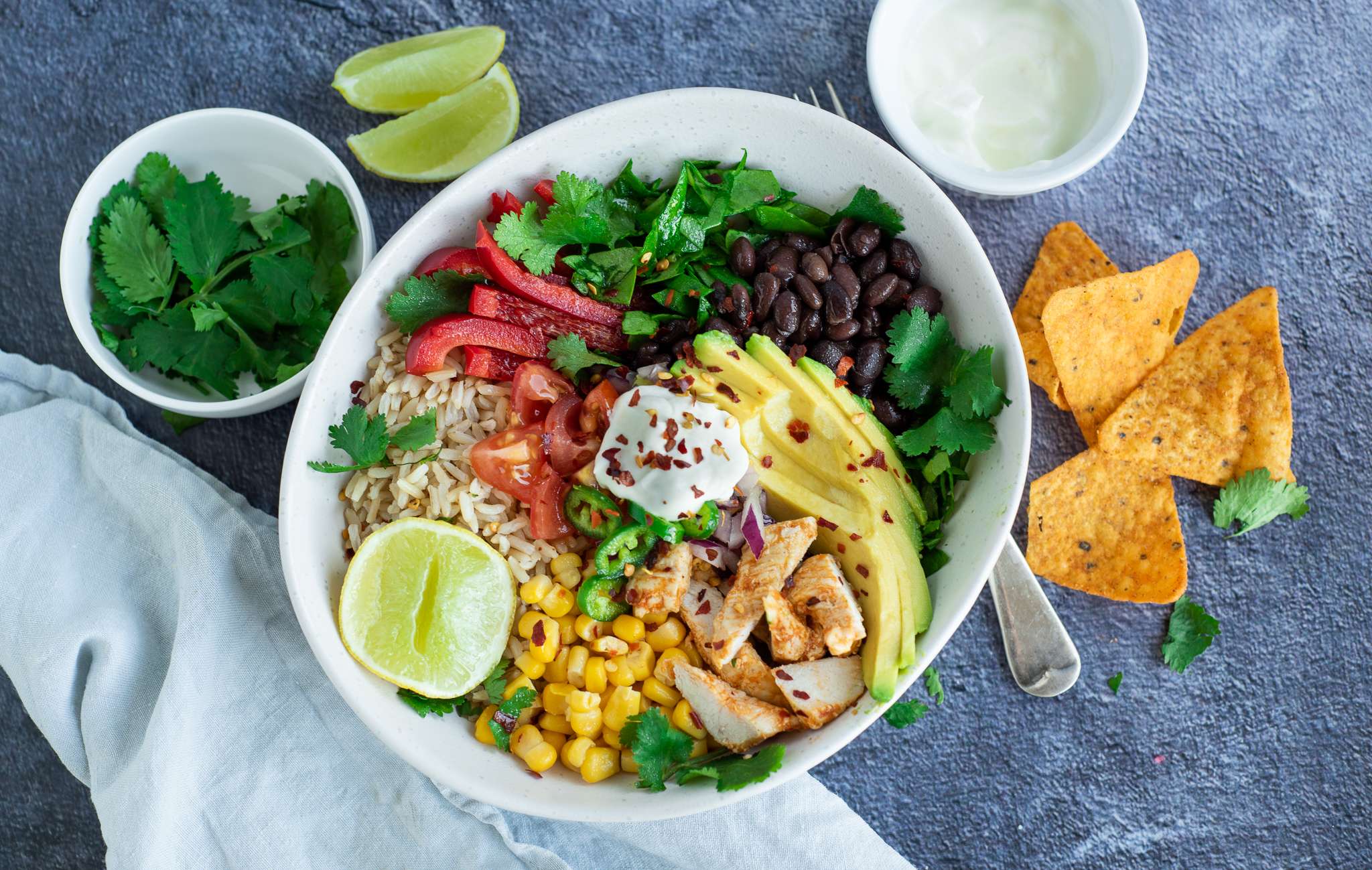
Science update: Plant-powered proteins & health outcomes
Dietitian Connection x Dr Courtney Thompson, NPR Consulting
Supported by: Sanitarium and GLNC

Post-natal nutrition: key foods and better sleep
Kiddipedia x Dr Courtney (Thompson) Stewart
Why you shouldn’t completely cut sugar out of your diet
The House of Wellness x Dr Courtney (Thompson) Stewart

The development of a food literacy questionnaire (IFLQ-19) and next steps for international consensus
Thompson, C.

Prioritising plant proteins in dietary advice: latest evidence
Dietitian Connection x Dr Courtney (Thompson) Stewart
Supported by: Sanitarium and GLNC

Reaching consensus on an international definition of food literacy
Thompson, C., Holmes, M., Horsey, B., Vidgen, H.A.

What to eat when pregnant to nourish your baby
Cushii x Dr Courtney (Thompson) Stewart

Development, validation and item reduction of a food literacy questionnaire (IFLQ-19) with Australian adults
Thompson, C., Byrne, R., Adams, J., Vidgen, H.A.
Defining, applying and measuring food literacy frameworks for health and education
Comollo, E., Thompson, C., Vidgen, H.A.
Food literacy: Improving food conversations and behaviours
Food Navigator x Dr Courtney (Thompson) Stewart
Supported by: Dairy Australia


Development, validation and item reduction of a food literacy questionnaire (IFLQ-19) with Australian adults
Thompson, C., Byrne, R., Adams, J., & Vidgen, H.A


Why your dairy intake is about more than just calcium
Sydney Morning Herald x Dr Courtney (Thompson) Stewart
Supported by: Dairy Australia

Development, validation and item reduction of a food literacy questionnaire (IFLQ-19) with Australian adults
Thompson, C., Adams, J., Byrne, R., Vidgen, H.A

Interdisciplinary insights on the future of food systems research: perspectives from the next generation of research leaders
Russell, C., Schram, A., Salmon, L., Carrad, A., Barbour, L., Lacy-Nichols, J., Huse, O., Machado, P., Gilbert, J., Zorbas, C., Thompson, C.
Development, validation and item reduction of a food literacy questionnaire (FLQ) with Australian adults
Thompson, C., Byrne, R., Adams, J., & Vidgen, H.A.
The missing link in the food system: food literacy as a consumer behaviour
Thompson, C., Byrne, R., Adams, J., & Vidgen, H.A.

Food literacy, food environments and monitoring and surveillance in public health
Thompson, C., Adams, J., & Vidgen, H.A

Progressing the development of a food literacy questionnaire using cognitive interviews
Thompson, C., Adams, J., & Vidgen, H.A
Progressing the development of a food literacy questionnaire using cognitive interviews
Thompson, C., Adams, J., & Vidgen, H.A.

Are we closer to international consensus on the term ‘food literacy’? A systematic scoping review of its use in the academic literature
Thompson, C., Adams, J., & Vidgen, H.A.

Are we closer to international consensus on the term ‘food literacy’?
A systematic scoping review of its use in the academic literature (1998–2019)
Thompson, C., Adams, J., & Vidgen, H.A.

Measuring food literacy: Progressing the development of an international food literacy survey using a content validity study
Fingland, D., Thompson, C., & Vidgen H.A.

Developing the next generation of healthcare professionals: the impact of an interprofessional education placement model
Naumann, F., Schumacher, U., Stuckey, A., Love, A., Thompson, C., Tunny, R., & Nash, R.


Where to next for food literacy? Findings from the 2019 Food Literacy Symposium
Thompson, C. & Vidgen, H.A
The emergence and use of the term ‘food literacy’: a scoping review
Thompson, C. & Vidgen, H.A.
Exploring nutrition knowledge levels of Australian university students: findings from the AUS-R NKQ validation study
Thompson, C., Vidgen, H. A., Gallegos, D., & Hannan-Jones, M.
Validity of a nutrition knowledge questionnaire (AUS-R NKQ) in Australian university students
Thompson, C., Vidgen, H. A., Gallegos, D., & Hannan-Jones, M.
How transferrable are the attributes of food literacy: Progressing the development of a food literacy questionnaire
Thompson, C., & Vidgen, H. A.
Validation of a revised General Nutrition Knowledge Questionnaire for Australia
Thompson, C., Vidgen, H.A., Gallegos, D., & Hannan-Jones, M.
The development and validation of a revised general nutrition knowledge questionnaire for an Australian audience
Thompson, C., Vidgen, H. A., Gallegos, D., & Hannan-Jones, M.